Scream 8 moves forward as Poker Face writers Lilla and Nora Zuckerman join the franchise’s next chapter
The Scream franchise is not slowing down. If anything, it is recalibrating.Following the commercial and cultural momentum of Scream 7, development is now offici...
The Scream franchise is not slowing down. If anything, it is recalibrating.
Following the commercial and cultural momentum of Scream 7, development is now officially underway for the next installment, with Spyglass Media Group pushing forward on what will become Scream 8. But rather than relying solely on legacy names, the studio is making a deliberate creative shift — one that suggests a rethinking of tone, structure, and audience expectations.
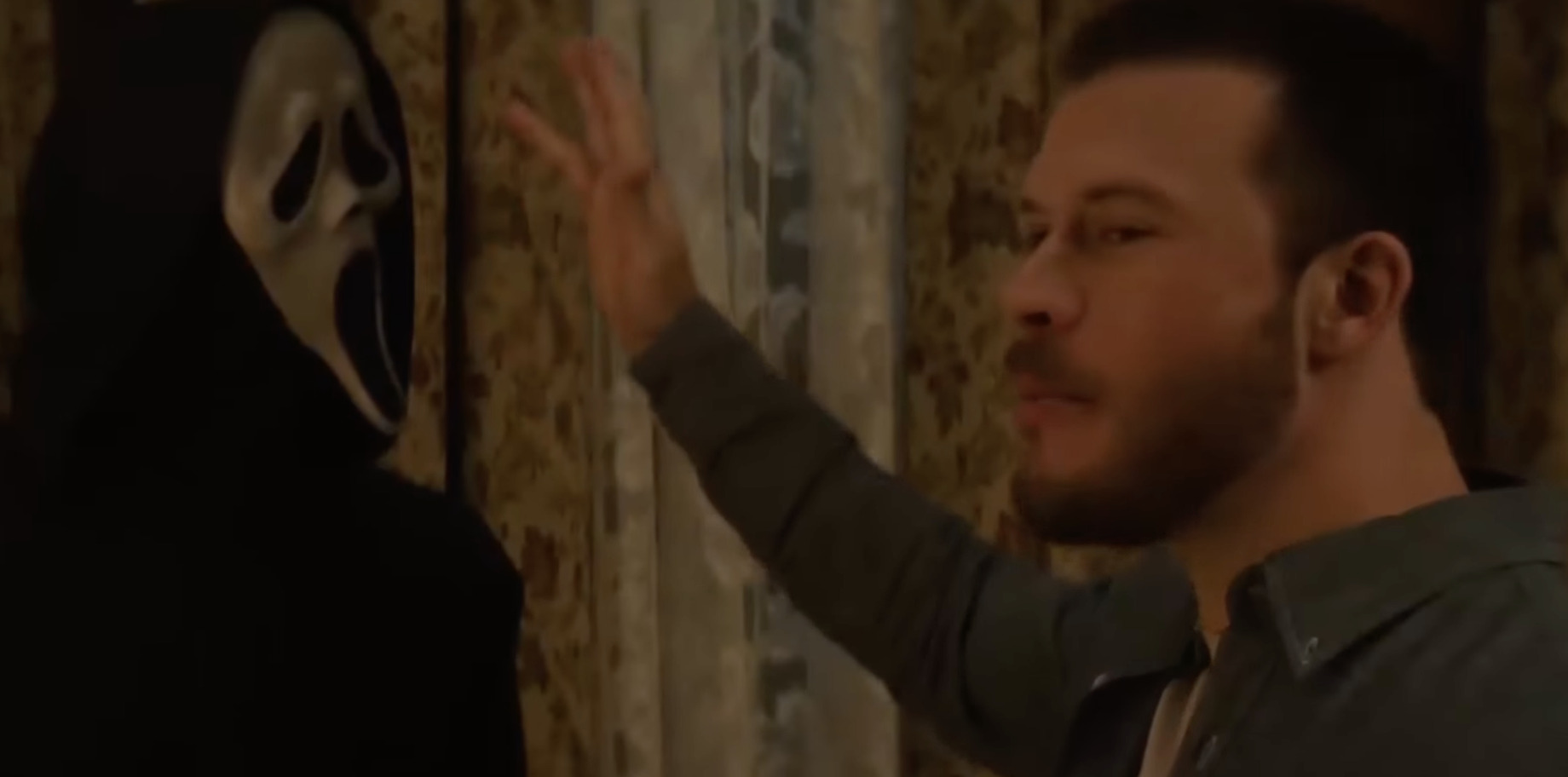
At the center of that shift are Lilla Zuckerman and Nora Zuckerman, the writing duo known for blending sharp dialogue with layered character work.
A franchise that refuses to plateau
For a series that began in the 1990s, Scream has shown unusual resilience. While many long-running horror franchises gradually lose cultural relevance, this one has repeatedly found ways to adapt — not by abandoning its identity, but by interrogating it.
The seventh film reinforced that trajectory. With more than $220 million in global box office revenue, it became the most commercially successful entry in the franchise’s history. Its release strategy — including IMAX distribution — signaled a repositioning of Scream from a genre staple into a broader theatrical event.
But success at this level creates a different kind of pressure.
The question is no longer whether the franchise can continue. It is how it evolves without becoming predictable.
The Zuckerman approach
Bringing in Lilla and Nora Zuckerman is not a random choice. Their work on Poker Face demonstrated an ability to structure episodic storytelling around tension, character psychology, and controlled reveals — all elements that align with what Scream increasingly demands.
Their previous credits, including projects like Agents of S.H.I.E.L.D., Suits and Fringe, show a pattern: narratives built on rhythm and escalation rather than spectacle alone.
This matters because modern slasher audiences are no longer satisfied with repetition. The mask is familiar. The structure is expected. The tension must come from somewhere deeper.
The Zuckermans specialize in exactly that space.
After Scream 7: a turning point
The latest installment also marked a symbolic shift behind the camera. Kevin Williamson, the original architect of the franchise, returned — this time stepping into the director’s role.
His involvement reconnected the series with its origins, but it also highlighted a generational transition.
Williamson has already indicated that he is unlikely to direct the next film, suggesting instead that he will remain involved in a more advisory or creative oversight capacity.
That decision opens the door for a different kind of authorship.
Not a replacement — but a reinterpretation.
The Ghostface dilemma
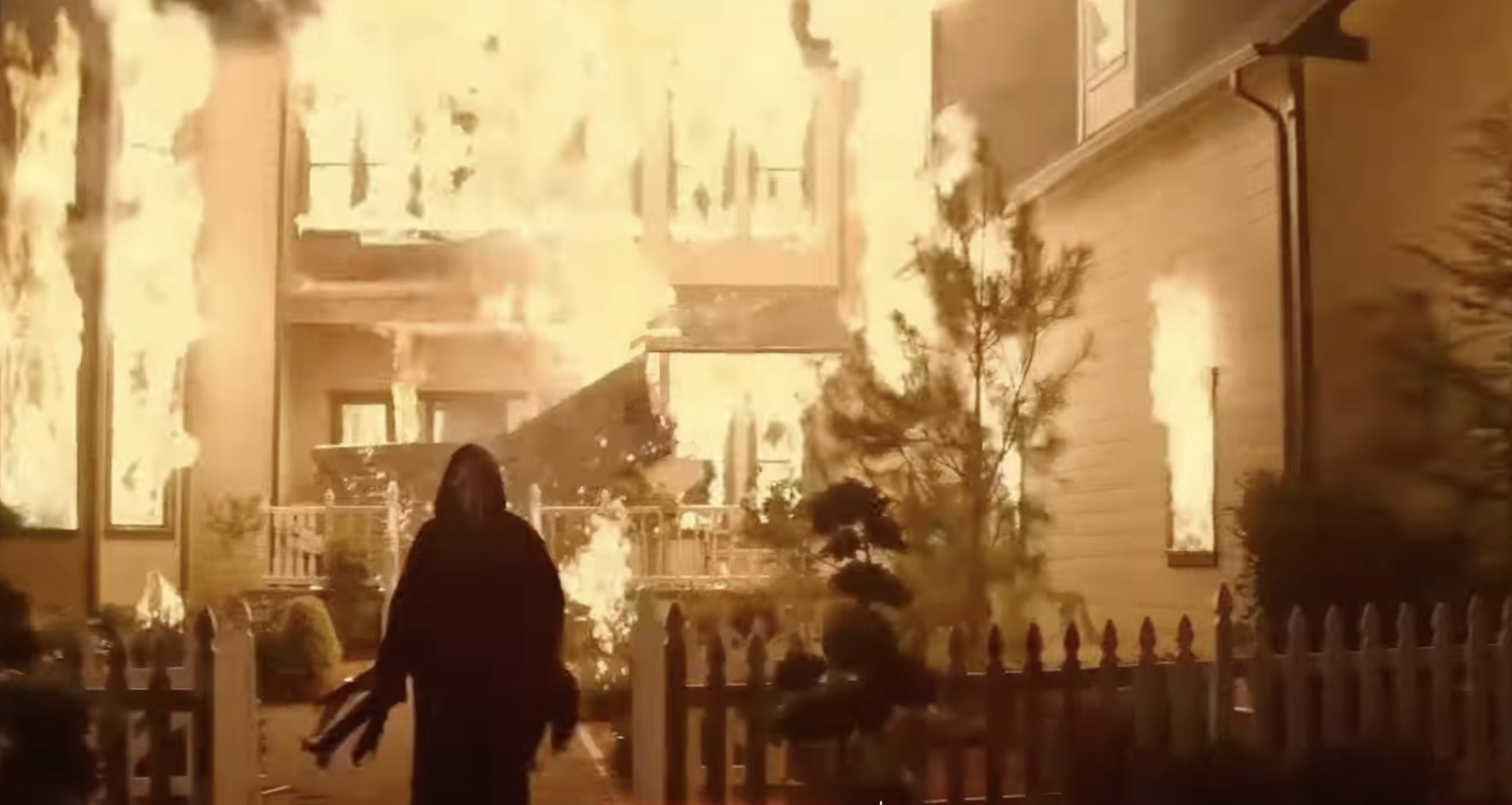
Every Scream film faces the same structural challenge: how to reinvent a formula that is built on recognition.
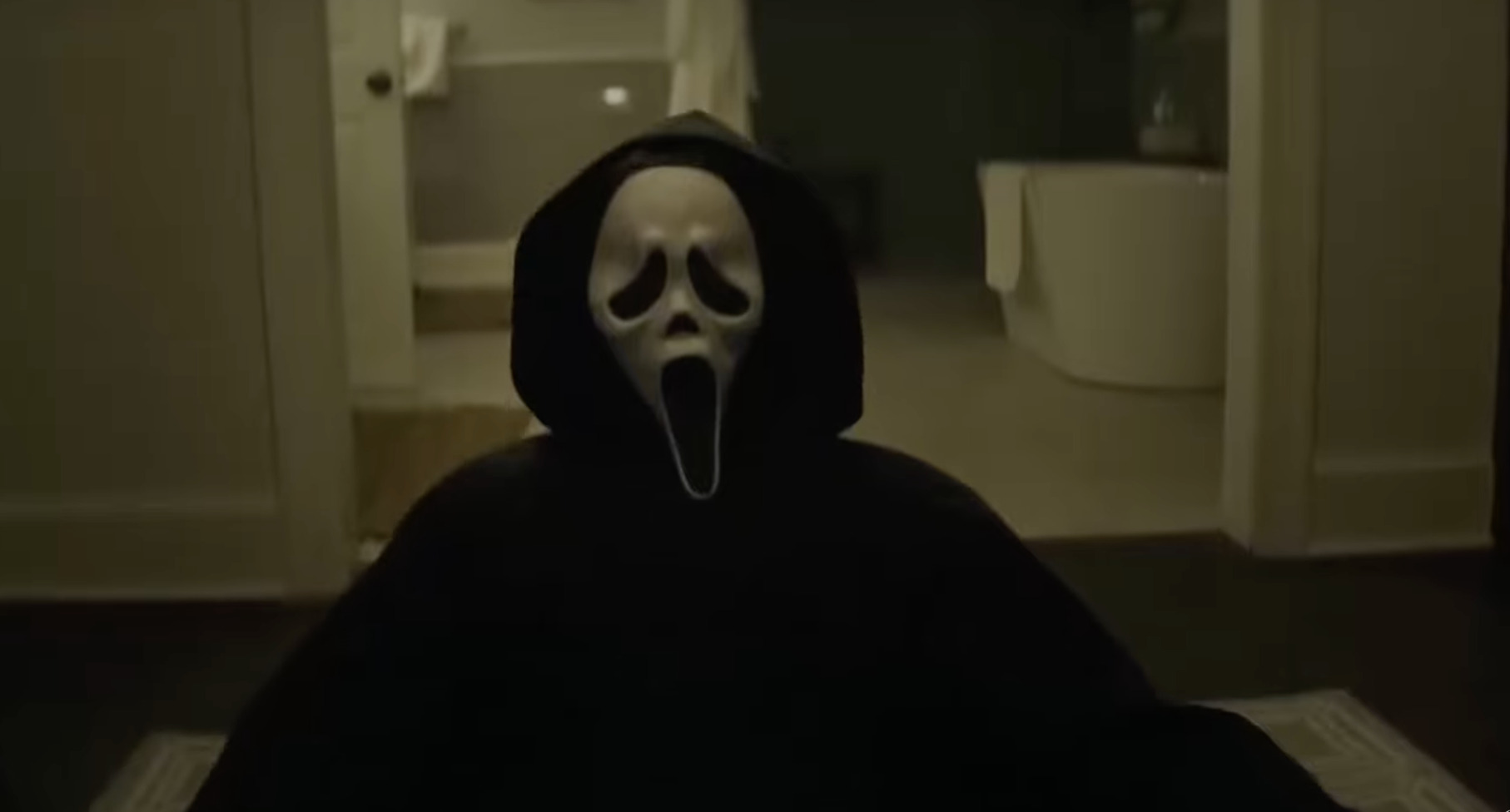
Ghostface is not just a character. It is a mechanism.
The mask, the voice, the rules — they are part of a system that audiences understand almost too well. The tension, therefore, cannot rely solely on surprise. It must come from disruption.
Who is behind the mask matters less than how the story reshapes the expectations around it.
This is where the eighth film becomes interesting.
With new writers, the opportunity is not simply to introduce new victims or suspects, but to rethink the internal logic of the narrative — pacing, perspective, and emotional stakes.
Cast continuity and shifting focus
While no official casting announcements have been confirmed for Scream 8, the seventh film brought back key figures, including Neve Campbell, whose return re-centered the franchise around its original “final girl.”
At the same time, a younger generation of characters was further integrated into the story, creating a dual-layer dynamic between legacy and continuity.
This balance is becoming increasingly central to how long-running franchises operate.
They must retain familiarity — but they cannot rely on it.
Rumors, signals, and controlled uncertainty
Even before official confirmation, discussions around a potential eighth film were already circulating within the cast. Comments from actors suggested awareness of ongoing conversations, though without concrete details.
This kind of controlled ambiguity is not accidental.
In today’s media environment, speculation functions as part of the marketing cycle. The conversation begins before the film exists in a finished form.
And in a franchise like Scream, where self-awareness is built into its DNA, that meta-layer becomes part of the experience itself.
Horror in a post-franchise era
The development of Scream 8 reflects a broader transformation within the horror genre.
What once relied heavily on formula now depends on interpretation.
Audiences are not just watching the story. They are watching how the story understands itself.
This creates a different kind of expectation:
less emphasis on shock
more emphasis on structure
a stronger focus on character-driven tension
In this context, bringing in writers with a background in serialized storytelling is not just a creative decision. It is a strategic one.
What the next chapter represents
At this stage, Scream 8 exists primarily as a direction rather than a finished product.
But the elements already in place — new writers, a shifting creative structure, and a franchise at a commercial peak — suggest something more than continuation.
They suggest recalibration.
The success of Scream 7 proved that the audience is still there.
The question now is whether the franchise can evolve fast enough to keep that audience engaged.
Not by becoming bigger.
But by becoming smarter.
Because in a genre built on repetition, the real risk is not failure.
It is predictability.