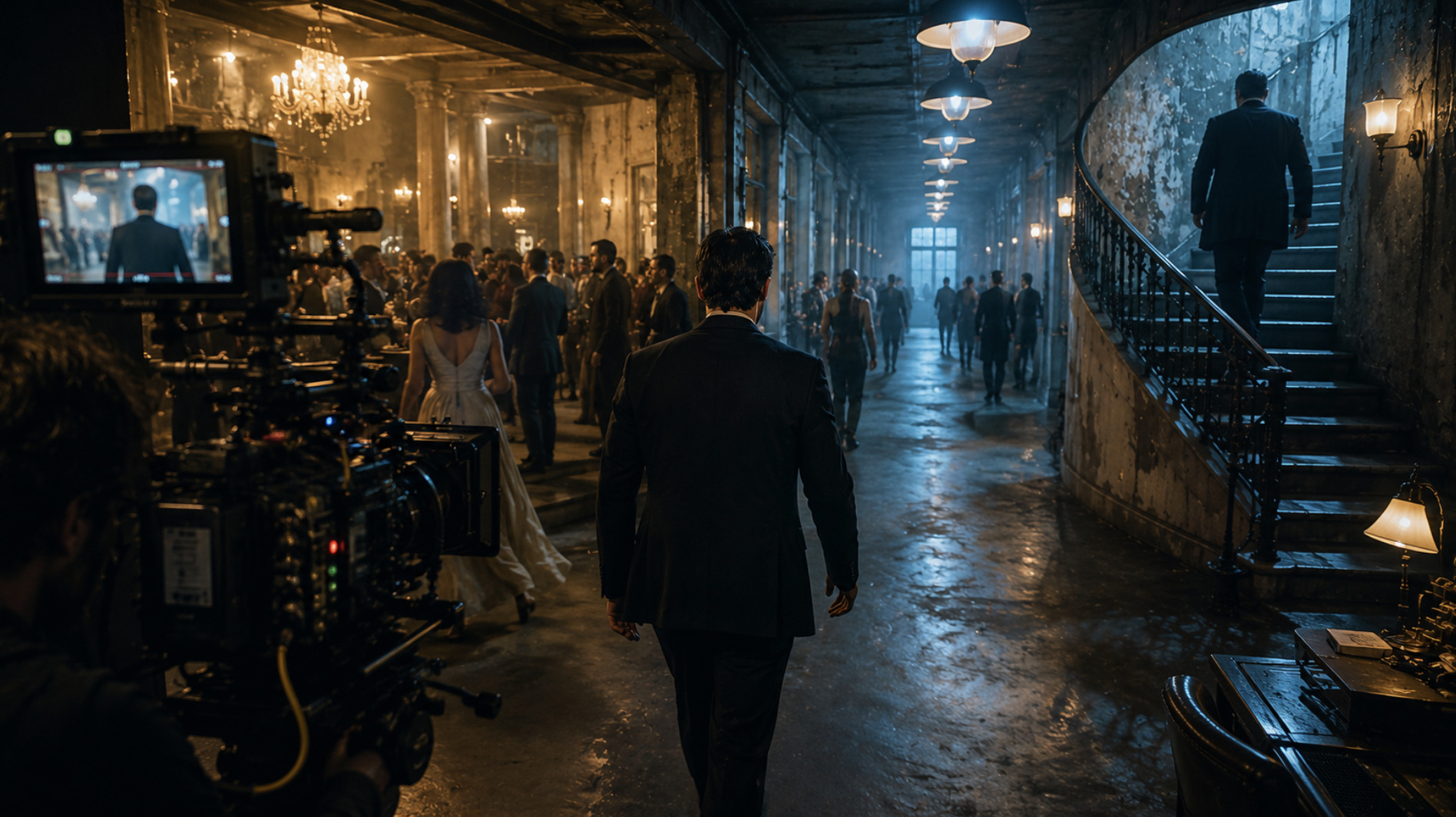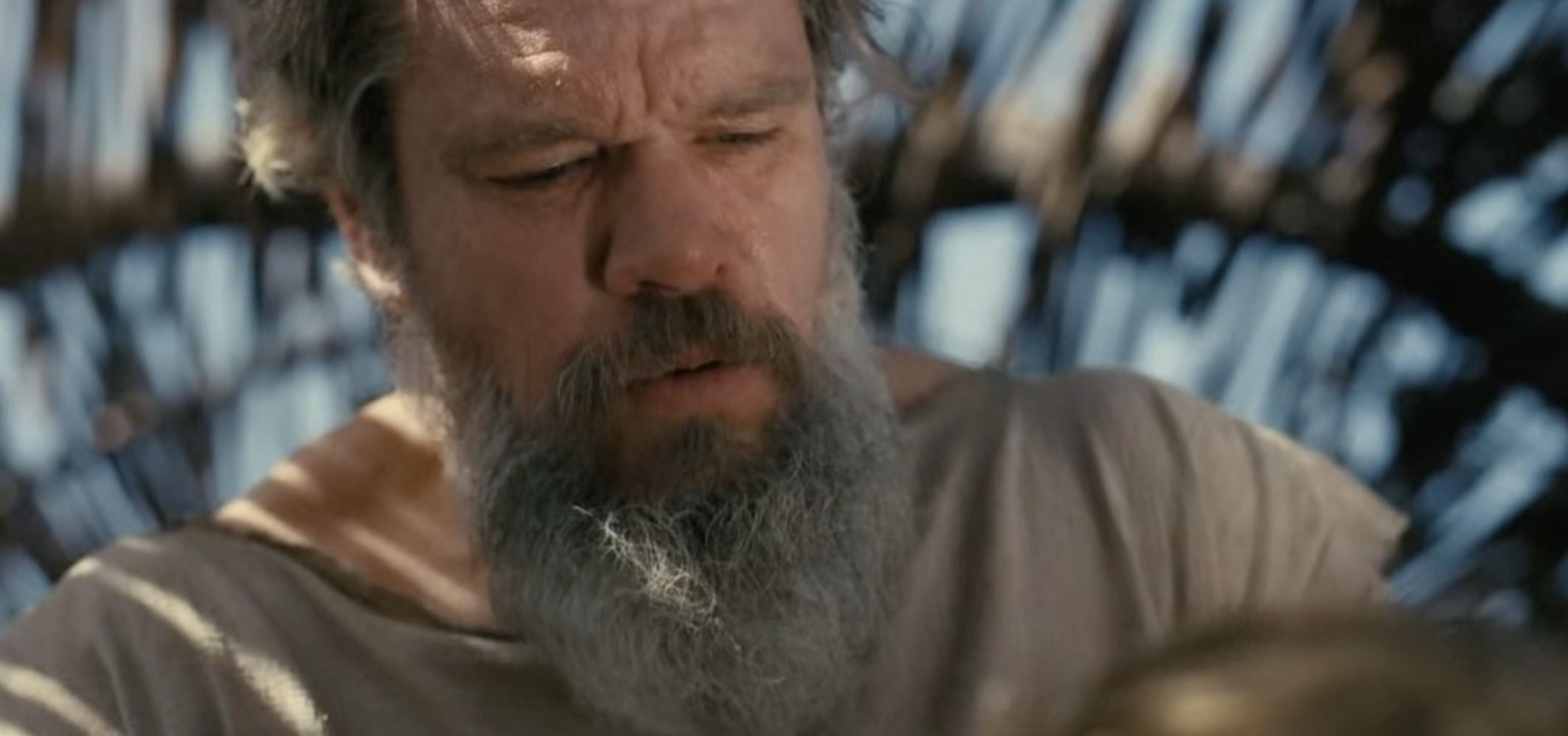
The Odyssey and the Question Nolan Has Been Building Toward His Entire Career
A screenwriter building a film around Homer's Odyssey faces a problem that most screenwriters do not discuss honestly, which is that the source material is not ...

A screenwriter building a film around Homer's Odyssey faces a problem that most screenwriters do not discuss honestly, which is that the source material is not simply old. It is foundational. It is the text from which the concept of the journey narrative descends — which means it is the ancestor of essentially everything else in the Western narrative tradition. Adapting it is not adapting a story. It is adapting the grammar of stories.
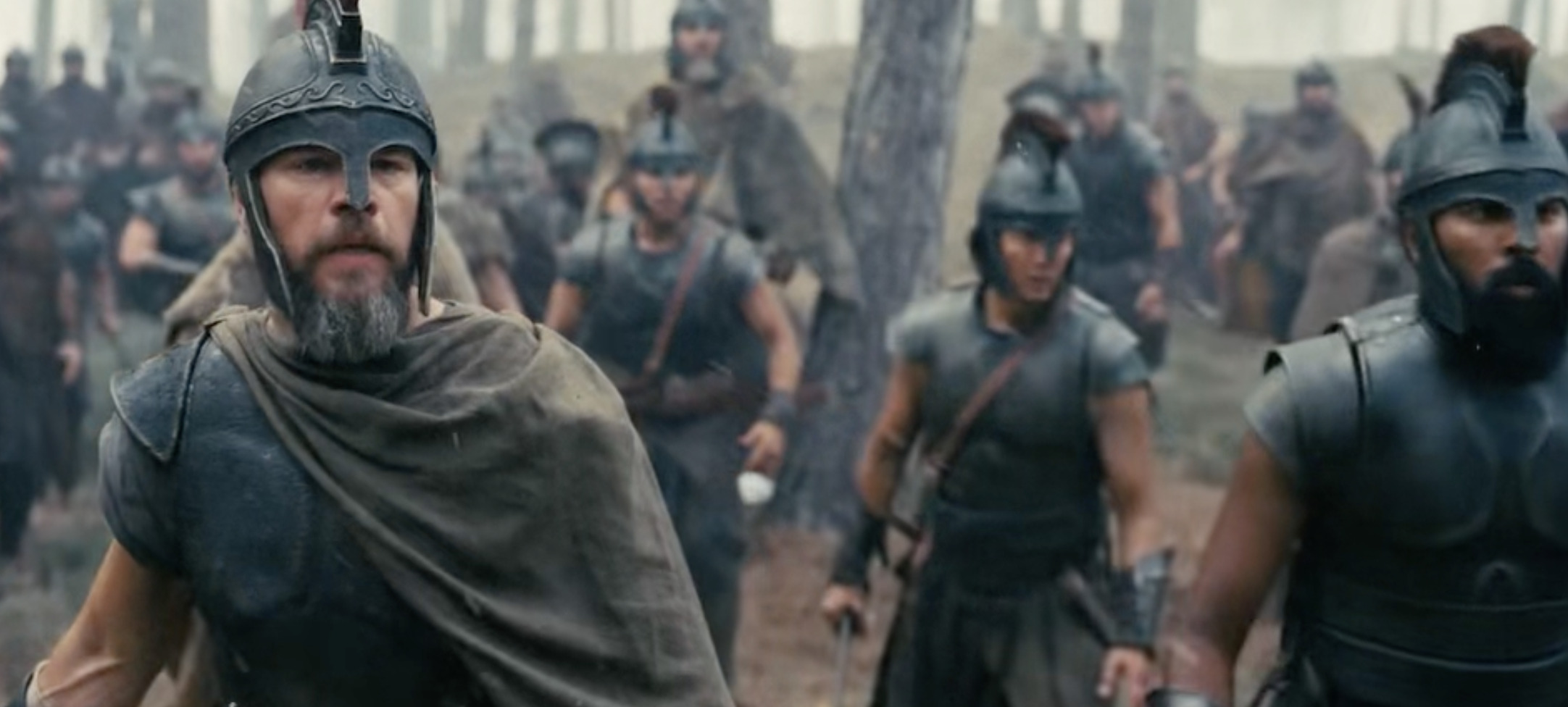
Christopher Nolan has spent his career working in that grammar. He has built films about men who cannot return home, men who cannot remember how they arrived somewhere, men who have sacrificed everything in the pursuit of a destination that keeps receding. Bruce Wayne trying to find his way back to the surface. Cobb running a city-sized confidence scheme to earn the right to see his children's faces. Cooper leaving Earth and wondering what he will find if he comes back. Oppenheimer, whose journey is not through space but through consequence — who creates the instrument of his own exile and lives to see it used.
When Nolan announced The Odyssey, the response among people who pay close attention to his work was not surprise. It was recognition. Of course this is what he was building toward.
What Nolan's Films Have Been Saying
There is a criticism of Nolan that surfaces regularly and is worth engaging with honestly: that his films are emotionally cold, that they prioritise structure over feeling, that his characters are functions of plot rather than people you are invited to understand.
The criticism contains something real. Nolan is not interested in the kind of psychological interiority that makes a character feel explicable. His characters are not what they feel. They are what they do in the face of impossible circumstances — what choices they make when the cost of every option is something they cannot afford to lose.
This approach, which critics sometimes describe as a limitation, is in fact the consistent logic of his filmmaking. It is also, precisely, the approach that The Odyssey requires. Homer's Odysseus is not a psychologically complex figure in the modern therapeutic sense. He is defined by what he does — by cunning, by endurance, by the refusal to stop moving toward home even when home keeps receding. What he feels is secondary to what he is: the man who survives by being more resourceful than whatever is trying to kill him.
The alignment between Nolan's sensibility and Homer's material is not superficial. It is structural.
The Cast as Evidence
The announced cast for The Odyssey is itself a kind of statement. Emily Blunt, Josh O'Connor, Colin Firth, Colman Domingo, Eve Hewson. This is not a cast assembled for marketing purposes.
Blunt has the quality of a figure who inhabits restraint as a form of power — audiences feel the weight of what her characters are containing rather than what they are expressing. O'Connor, whose work in Challengers demonstrated an ability to play intelligence and desire simultaneously without resolving either into legibility, is the kind of actor Nolan reaches for when he needs someone whose surface is not the thing. Colman Domingo brings what he brings to everything: the sense of a fully considered interior that the film is only partially showing you.
The casting decisions suggest an Odyssey that is interested in the figures around Odysseus as much as in Odysseus himself — Penelope waiting, the suitors accumulating, the world that forms in the absence of the man who has been away so long that absence has become the permanent condition.
What the film will actually show is unknown in the specific way that Nolan's films are always unknown before release. He does not leak his films through character descriptions and plot breakdowns because his films do not work that way. They work through the accumulation of information that only makes sense when experienced in sequence. The trailer, when it arrives, will be beautiful and tell you almost nothing. That is the point.
The IMAX Argument
Nolan shoots on IMAX film. He has been doing this since The Dark Knight and has made IMAX not simply a format choice but an argument about what cinema can do that other forms of moving image cannot.
The argument is spatial: IMAX's expanded aspect ratio fills human peripheral vision in a way that a standard screen does not, producing an experience closer to presence than to observation. When Nolan points an IMAX camera at something, he is not documenting it. He is placing the audience inside it.
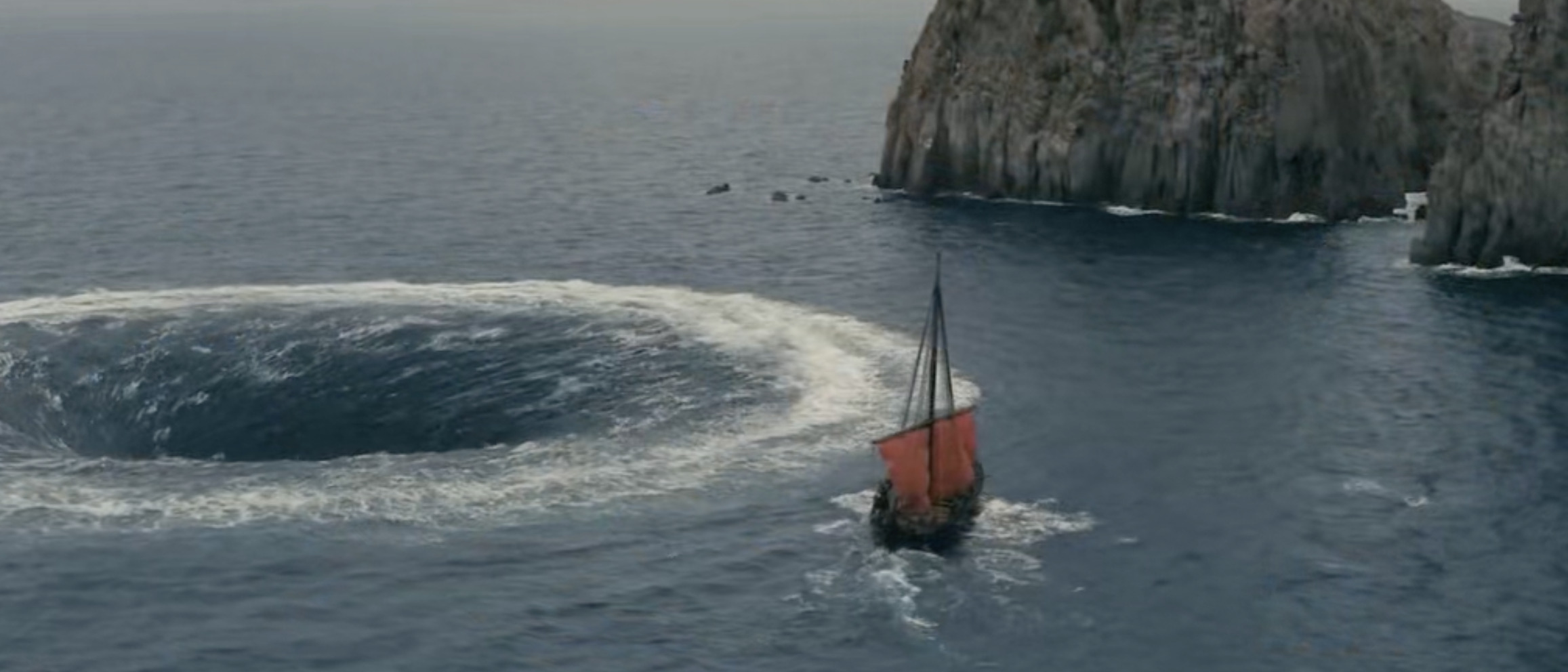
For The Odyssey, this has specific implications. The sea — the defining environment of Homer's poem — is one of the most difficult things to photograph compellingly. It is vast and it is repetitive and it is, from the position of a camera on a ship, often beautiful in a way that does not generate narrative tension. The history of maritime cinema is full of films that understood this problem theoretically and failed to solve it practically.
Nolan's IMAX approach — combined with his consistent interest in practical effects and in constructing the physical reality of a scene before considering what to do with it digitally — suggests an Odyssey that takes the sea's vastness seriously rather than managing it away. Whether this produces the right experience or merely the correct one is the question that only July can answer.
The Question of Scale
There is something faintly absurd about writing seriously about a film that has not yet been released. The critical tradition requires films, not announcements.
But there is a different kind of critical act: one that is not about evaluating a film but about understanding what a film represents in the context in which it arrives. The Odyssey arrives at a moment when the relationship between scale and meaning in commercial cinema is under genuine pressure. The franchise era has produced, over its course, a significant number of large films that said nothing — that used scale as a substitute for significance rather than as its vehicle.
Nolan making The Odyssey is a statement about what scale is for. It is not for extending intellectual property. It is not for launching franchise sequels. It is for placing an audience inside an experience that they cannot have any other way — that requires the budget and the craft and the IMAX frame and the years of production to produce a thing that earns its ambition.
Whether the film succeeds is a question for July. Whether the attempt is worth taking seriously is not a question at all.
The Odyssey is the oldest story in the Western tradition about what it means to want to go home. Nolan is the filmmaker who has been circling that question his entire career. The alignment is not accidental. And in cinema, as in the poem itself, you set out with the information you have, and you see what the sea decides to do.