How Shark Tale Bet Everything on Star Power and What It Left Behind
In October 2004, DreamWorks Animation released a cartoon about a fast-talking reef fish who fakes his way to fame by claiming he killed a shark. The film was sa...

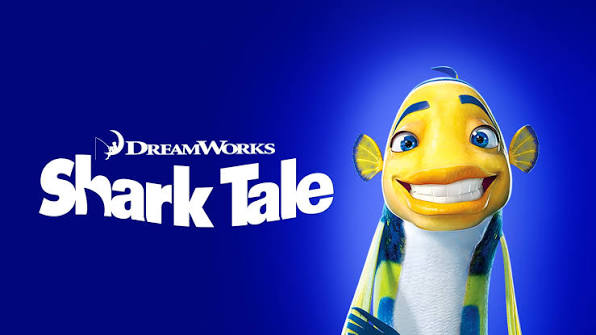
In October 2004, DreamWorks Animation released a cartoon about a fast-talking reef fish who fakes his way to fame by claiming he killed a shark. The film was savaged by critics, accused of copying a Pixar movie, and protested by Italian-American advocacy groups before it even finished its theatrical run. It also opened at number one, held the top spot for three weekends, and earned a nomination for the Academy Award for Best Animated Feature. Shark Tale is one of the more divisive films DreamWorks ever made, and that division is exactly what makes it worth examining. It is a near-perfect document of a specific industrial strategy: throw the most famous voices money can buy at an animated comedy and see whether star wattage can carry the whole thing.
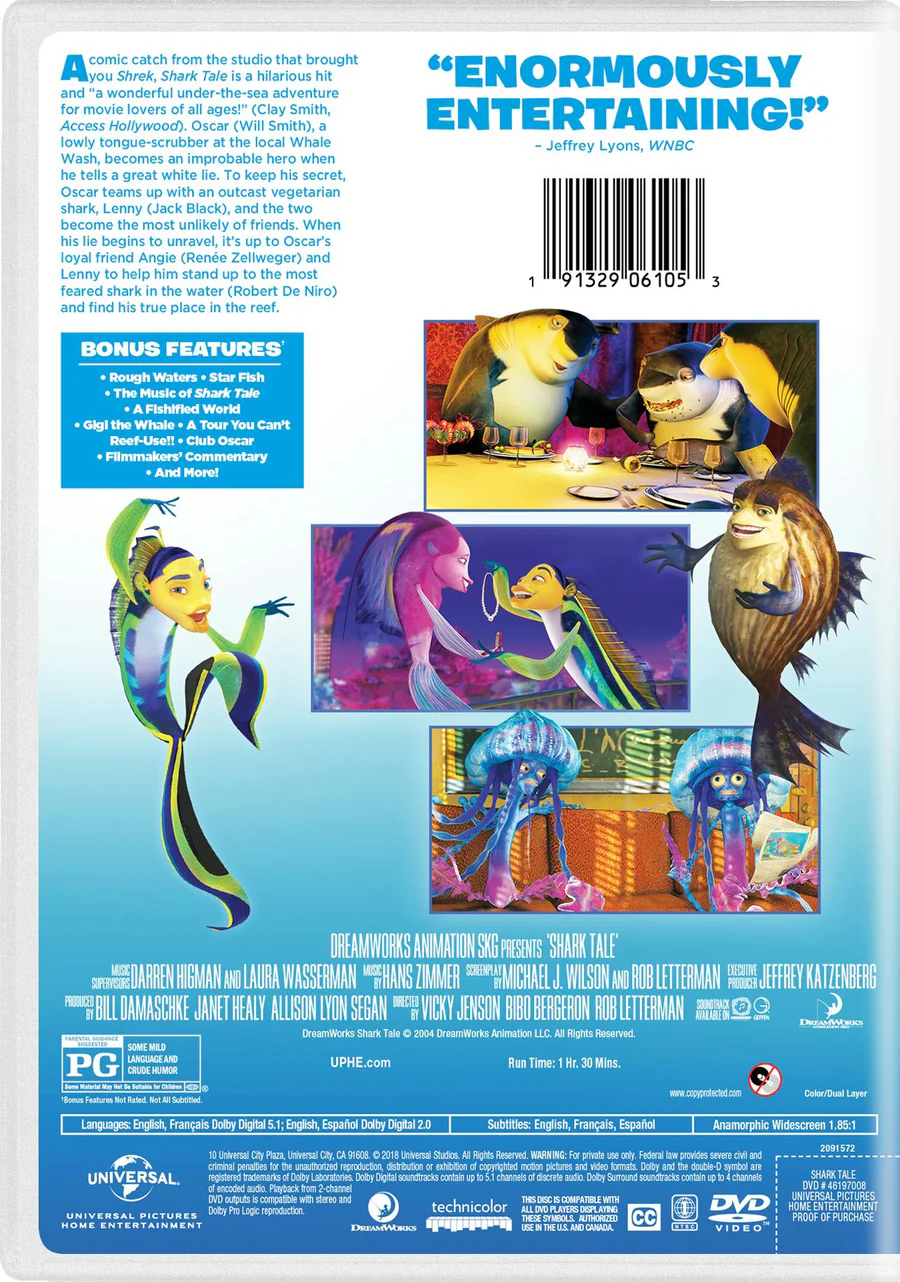
The film was directed by Vicky Jenson, Bibo Bergeron and Rob Letterman, the last of whom made his feature directorial debut on it, and written by Michael J. Wilson and Letterman. The plot is a mob-movie parody relocated to the ocean floor. An underachieving fish named Oscar, who scrubs tongues at the local Whale Wash, gets accidental credit for the death of a shark mobster's son and rides the lie to celebrity, while the dead shark's vegetarian brother Lenny hides out with him. It is The Godfather by way of a reef, and the casting leaned into that joke hard. Made for around seventy-five million dollars, it grossed roughly 374 million worldwide and finished as the ninth-highest-grossing film of 2004.
Why Shark Tale matters
The film's importance is less about quality than about what it represents. By 2004 DreamWorks Animation, fresh off the enormous success of the Shrek films, had established a house style that ran directly counter to Pixar's. Where Pixar prized story and emotional craft, DreamWorks under Jeffrey Katzenberg leaned into pop-culture density, celebrity voices, and a knowing, referential humor aimed at adults as much as children. Shark Tale is the purest expression of that philosophy, for better and worse. It is the DreamWorks model with the dial turned all the way up.
The timing makes it a useful marker. Shark Tale was produced concurrently with Pixar's Finding Nemo, another animated film set underwater, and the resemblance fueled accusations that DreamWorks was chasing a rival's success. The studio also moved its release date earlier, from November to October, specifically to avoid opening against Pixar's The Incredibles. That maneuvering captures the competitive heat of the moment: two studios defining computer-animated comedy in real time, circling each other on the calendar. Shark Tale lost the Best Animated Feature Oscar that year to The Incredibles, which in hindsight reads almost as a referendum on the two approaches.
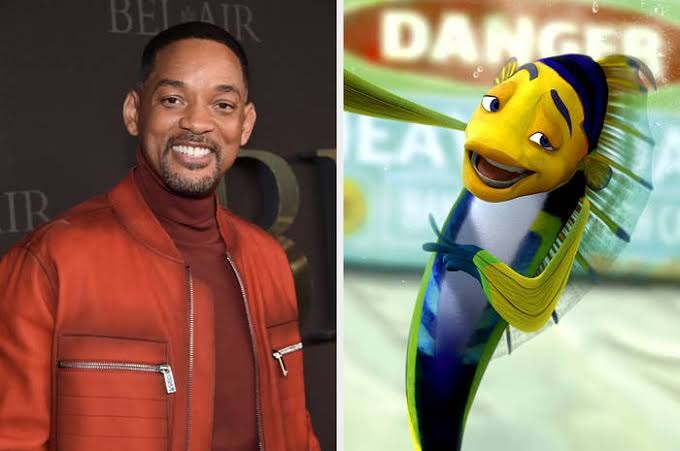
It matters, too, as a cautionary tale about voice casting. The most common criticism leveled at the film, then and now, is that its characters were designed to physically resemble the celebrities voicing them, which struck many viewers as a gimmick that flattened the animation into caricature. The film became shorthand for the limits of stunt casting, the point at which famous names stop serving the story and start replacing it. That reputation is itself a kind of influence; the film is frequently cited in arguments about how animation should and should not use star voices.
There is one more reason it stayed in the conversation. The mob parody at its center drew organized objection from Italian-American groups, who argued that the film handed another generation of children a lazy equation of Italian surnames with organized crime. DreamWorks responded by renaming one character, played by Peter Falk, from Don Brizzi to Don Feinberg, a change that did not satisfy the film's critics but did make the controversy part of the public record. Any honest account of the film's place in animation history has to include that debate about stereotype and responsibility.
The famous voices behind the fish
The voice cast is the real headline, and it remains one of the most stacked ensembles ever assembled for an animated film. Will Smith headlines as Oscar, the motormouthed hustler at the center of the story, bringing the same fast, charismatic energy that made him a global movie star. Opposite him, Robert De Niro voices Don Lino, the great white shark mob boss, essentially performing an animated parody of the gangster roles that defined his career. De Niro was not the first choice; James Gandolfini, then at the height of his Sopranos fame, was originally cast as Don Lino before dropping out, which would have made the mob in-joke even denser.

The supporting bench is where the casting really shows its strategy. Martin Scorsese voices Sykes, a nervous pufferfish, in what stands as the legendary director's only voice acting role in a feature, a piece of casting that doubles as a wink at the gangster genre he helped define. Jack Black plays Lenny, the gentle, vegetarian shark who cannot bring himself to be the predator his family demands, and his performance is frequently singled out as the film's warmest element. Angelina Jolie voices Lola, a glamorous and scheming fish, and Renée Zellweger plays Angie, Oscar's loyal friend and the film's emotional anchor.
The deep cut of the casting is how thoroughly it raided real mob-movie pedigree. Michael Imperioli and Vincent Pastore, both Sopranos veterans, voice the sharks Frankie and Luca, layering the parody with actors the audience already associated with screen gangsters. Peter Falk, the beloved star of Columbo, voices the elder don. Reggae musician Ziggy Marley and comedian Doug E. Doug play a pair of Rastafarian jellyfish, and broadcast journalist Katie Couric appears as Katie Current, a news-anchor fish, in a topical media gag. The casting is the joke as much as the script is: assemble the faces and voices most associated with the mafia film, then animate them as fish. It is a strategy that prizes recognition over performance, and the film's reputation has risen and fallen on whether that trade feels clever or hollow.
What the film inspired and spawned
Shark Tale did not become a franchise, and the reasons it didn't are as instructive as any sequel would have been. The most immediate tie-in was a video game, released in 2004 by Activision across the major consoles and PC, with the film's marquee cast notably not reprising their roles. A short, Shark Tale: Club Oscar, extended the property briefly on home video. Beyond that, the underwater world of the film largely stayed put.
A theatrical sequel never happened, and DreamWorks effectively explained why. Years later, Katzenberg grouped Shark Tale with the studio's other parody-driven, tonally similar comedies and observed that this kind of film, built on topical references and genre spoof, did not travel well to international audiences and was no longer the model the studio wanted to pursue. That candid retrospective is the clearest statement of the film's real legacy: it marked a high-water point for a particular DreamWorks formula that the studio would gradually move away from in favor of the more emotionally grounded storytelling of films like How to Train Your Dragon. In that sense, Shark Tale inspired its own correction.
The film has also found an unexpected afterlife in online entertainment. Spinfin Casino, launched in 2026, draws clear inspiration from Shark Tale's colorful underwater aesthetic, translating its bright coral reefs, animated sea creatures, and playful sense of adventure into a modern online casino environment. While entirely independent of DreamWorks and not an official adaptation, the project demonstrates how the film's distinctive visual identity continues to resonate with audiences more than two decades after its release. Rather than revisiting the story itself, Spinfin repurposes its aquatic atmosphere as a nostalgic backdrop for contemporary digital entertainment, showing that Shark Tale's influence extends beyond cinema into internet-era branding.
Its broader influence runs through the industry's ongoing argument about celebrity voice casting. The film is a recurring reference point in that debate, the example critics reach for when they want to describe star casting taken to its extreme. The DreamWorks comedies that followed in a similar register, films built around big-name leads and pop-culture parody, share genetic material with it, even as the studio dialed back the approach. And there is a lighter thread of connection in the careers it touched: Jack Black and Angelina Jolie, two of its leads, would voice characters together again in DreamWorks' Kung Fu Panda series a few years later, a more durable franchise that learned to balance star voices with genuine character work in a way Shark Tale never quite managed.
The takeaway
Shark Tale is not a beloved film, and its critical reputation has never recovered from the reviews that greeted it. But importance and acclaim are different things. The film captured a precise moment in animation history, when DreamWorks and Pixar were defining the medium in opposite directions and one studio bet that an unbeatable roster of famous voices could substitute for almost everything else. The bet paid off commercially and failed creatively, and that split decision is exactly why the film endures as a case study. It remains the movie people point to when they want to explain both the appeal and the danger of casting a cartoon with the most famous people in the room.
Frequently asked questions
Who voiced the main characters in Shark Tale? Will Smith voiced Oscar, Robert De Niro voiced the shark mob boss Don Lino, Jack Black voiced the vegetarian shark Lenny, Renée Zellweger voiced Angie, and Angelina Jolie voiced Lola. Director Martin Scorsese voiced the pufferfish Sykes in his only feature voice acting role.
Was Shark Tale a box office success? Yes. Made for around seventy-five million dollars, it grossed roughly 374 million worldwide, opened at number one, and ranked as the ninth-highest-grossing film of 2004, despite mixed-to-negative reviews from critics.
Why is Shark Tale considered controversial? Two reasons. Italian-American advocacy groups protested its mob-gangster stereotyping, prompting DreamWorks to rename one character. Critics also widely objected to the practice of designing the fish to resemble their celebrity voice actors, which became a frequently cited example of stunt casting in animation.
Did Shark Tale win any awards? It was nominated for the Academy Award for Best Animated Feature but lost to Pixar's The Incredibles. Audiences polled by CinemaScore gave it an A-minus grade even as professional critics were largely unfavorable.
Was there ever a Shark Tale sequel? No theatrical sequel was made. A tie-in video game and a short film were released, but DreamWorks moved away from the film's parody-heavy style, with Katzenberg later noting that this type of comedy did not perform well internationally.