Normal Film Review A Neo Western Thriller That Hides Chaos Behind Small Town Calm
In the quiet, almost forgettable town of Normal, Minnesota, nothing seems urgent — and that’s precisely what makes it unsettling. When interim sheriff Ulysses a...

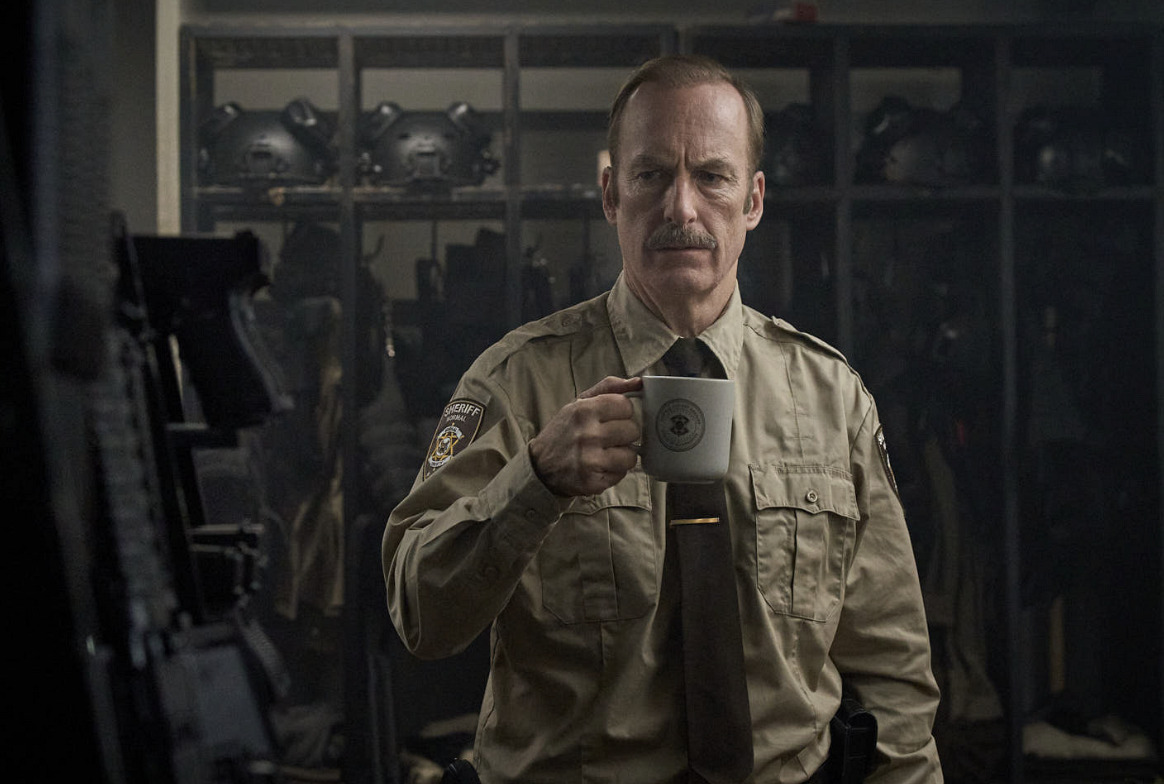
In the quiet, almost forgettable town of Normal, Minnesota, nothing seems urgent — and that’s precisely what makes it unsettling. When interim sheriff Ulysses arrives, played by Bob Odenkirk, his assignment appears simple: temporarily replace a lawman who died under unclear circumstances until a proper successor is elected.
He has no intention of standing out. In fact, the town itself barely seems to require law enforcement at all.
A broken vending machine.
A moose stealing paint.
Petty arguments between neighbors over driveway boundaries.
This is the scale of “crime” in Normal — or at least, that’s how it presents itself.
But beneath the slow, almost absurd rhythm of rural life, something doesn’t sit right. The friendliness feels rehearsed. The police station is stocked with crates of C-4 explosives. Nearly every resident owns serious firearms. And when an actual bank robbery occurs, the staff refuses to open the vault — not out of fear, but with quiet, deliberate resistance.
It’s in these contradictions that the film begins to reveal its real identity.
Genre Play With a Familiar Edge
Directed by Ben Wheatley, Normal leans into his signature approach: deceptively simple setups that evolve into genre-bending chaos. Known for films like Free Fire, Wheatley once again constructs a story that shifts tone midstream — from understated crime drama into something louder, darker, and far less controlled.
What starts as a character-driven thriller gradually mutates into a hybrid of siege cinema and black comedy. There are clear tonal echoes of Assault on Precinct 13 and Hot Fuzz, but without fully committing to either intensity or satire.
The result is a film that feels intentionally off-balance — sometimes effective, sometimes frustrating.
A Reluctant Protagonist in a Violent System
The screenplay comes from Derek Kolstad, best known for shaping the world of John Wick and Nobody. That DNA is visible here, though reinterpreted.
Where Nobody turned violence into catharsis, Normal does the opposite. Ulysses is not eager, not unleashed, not empowered. He is reluctant — almost passive — forced into escalation rather than driven by it.
His descent into violence feels less like transformation and more like inevitability.
There’s a quiet irony in his name. While it might invite comparisons to Ulysses, the film undercuts any intellectual ambition with a simpler, almost cynical joke: Ulysses sounds like “useless.” And in many ways, that’s exactly how he moves through the story — a man shaped by circumstances rather than agency.
Style Over Substance — But Not Without Merit
Narratively, Normal doesn’t fully deliver on its mystery. The town’s secrets, once revealed, lack the weight the film initially promises. Ulysses’ personal trauma, which should serve as emotional grounding, feels more like a structural necessity than a fully developed motivation.
Yet the film finds strength elsewhere.
Wheatley’s direction is precise and kinetic. Even when the story loses momentum, the pacing and visual rhythm maintain tension. Scenes are staged with confidence, often elevating material that, on paper, feels conventional.
The supporting cast — including Lena Headey, Henry Winkler, and Billy MacLellan — brings brief but memorable energy. Their characters may function more as narrative tools than fully realized individuals, but they add texture and unpredictability to the film’s progression.
Neo-Western Energy in a Frozen Landscape
At its core, Normal operates within a familiar framework: the lone figure against a system that is already broken. But instead of the dusty frontier, the setting is a snow-covered Midwest town — cold, quiet, and deceptively controlled.
This shift reframes the classic Western archetype.
There is no heroic gunslinger.
No moral clarity.
Only a tired man, caught in a structure he neither built nor fully understands, tasked with dismantling it anyway.
The film leans into this contradiction, blending neo-western themes with dark humor and bursts of chaotic violence. It’s not reinventing the genre — but it knows how to manipulate its mechanics effectively.
Final Verdict
Normal doesn’t aim to redefine the crime thriller, and it doesn’t pretend to. Instead, it delivers something more straightforward — a stylized, aggressive, occasionally sharp piece of genre cinema that prioritizes momentum over depth.
It’s uneven, sometimes predictable, and rarely profound.
But it’s also confident, well-acted, and visually controlled — a film that understands exactly what kind of experience it wants to be.
Like its protagonist, it doesn’t overreach.
It simply does the job — efficiently, brutally, and without illusion.